

Introduction
This guide provides step-by-step instructions for integrating and using the Azure DevOps Test Plans (ADO Test Plans) toolkit within ELITEA. It covers everything from setting up your Azure DevOps Personal Access Token to configuring the toolkit and using it within your Agents, Pipelines, and Chat conversations. Azure Test Plans (ADO Test Plans) Azure Test Plans is a test management service for creating, managing, and executing manual and automated tests. It provides tools for organizing test plans, test suites, and test cases, tracking test execution, and reporting on test coverage and quality metrics. Integrating Azure DevOps Test Plans with ELITEA enables your Agents, Pipelines, and Chat conversations to intelligently interact with test artifacts — automating test plan creation, test suite management, test case generation, and status reporting as part of AI-driven QA workflows.Toolkit’s Account Setup and Configuration
Account Setup
Create an Azure DevOps account and organization to access the Test Plans service.- Visit Azure DevOps: Navigate to https://dev.azure.com/
- Start Free or Sign In: Click “Start free” to create a new organization, or “Sign in to Azure DevOps” for existing accounts
- Create Organization: Follow prompts to set up your organization (provide name, select hosting region, optionally link to Azure account)
- Verify Email: Confirm your email address if prompted
- Enable Basic + Test Plans Subscription: Verify Basic + Test Plans access level is enabled for users who need to manage or run test cases
- Add Users (Optional): Navigate to
https://dev.azure.com/{YourOrganizationName}/_settings/users, click “Add users”, enter user details, select “Basic + Test Plans” access level, and click “Add”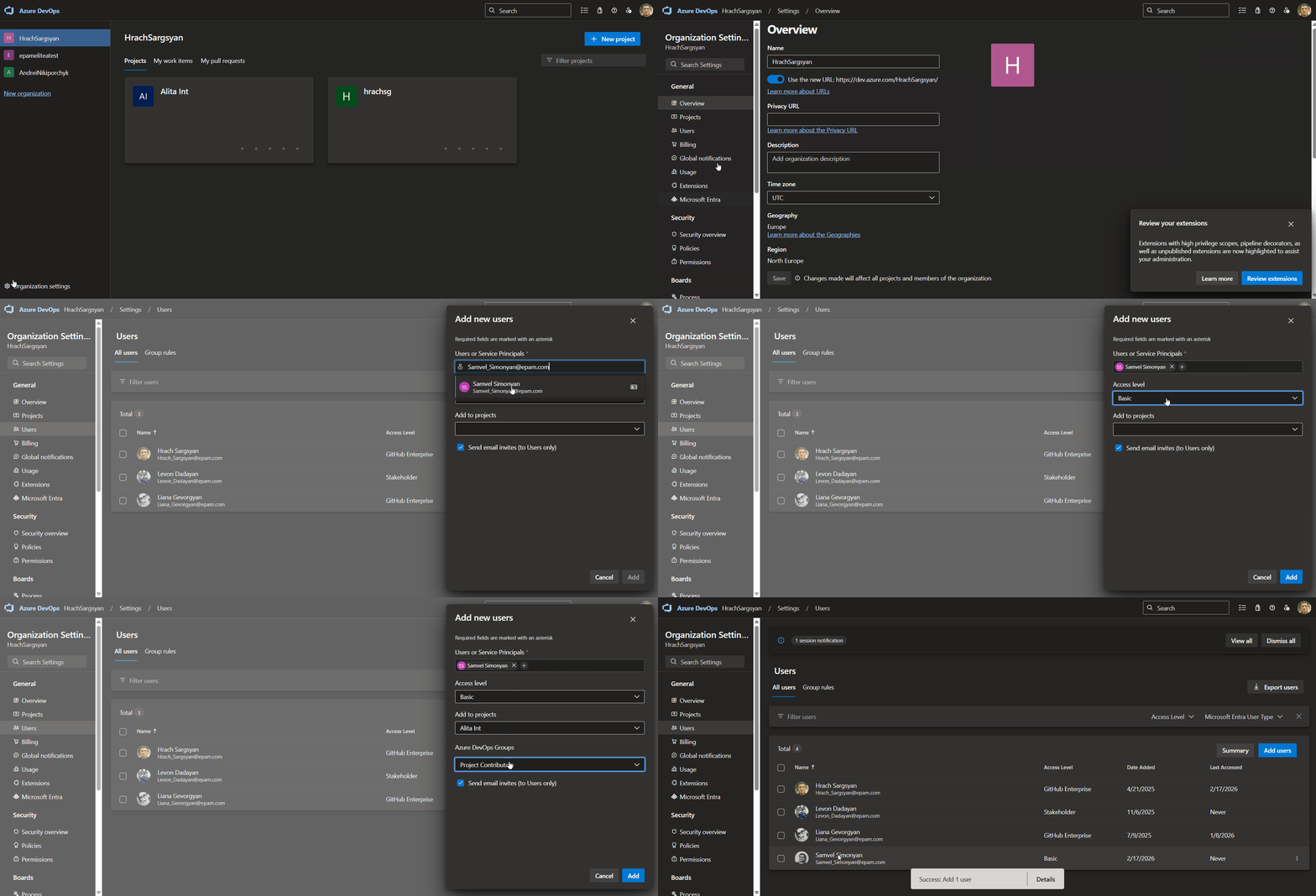
- Verify Access: Confirm “Test Plans” appears in the left sidebar of your project
Generate a Personal Access Token (PAT)
For secure integration with ELITEA, use an Azure DevOps Personal Access Token (PAT).-
Log in to Azure DevOps: Navigate to
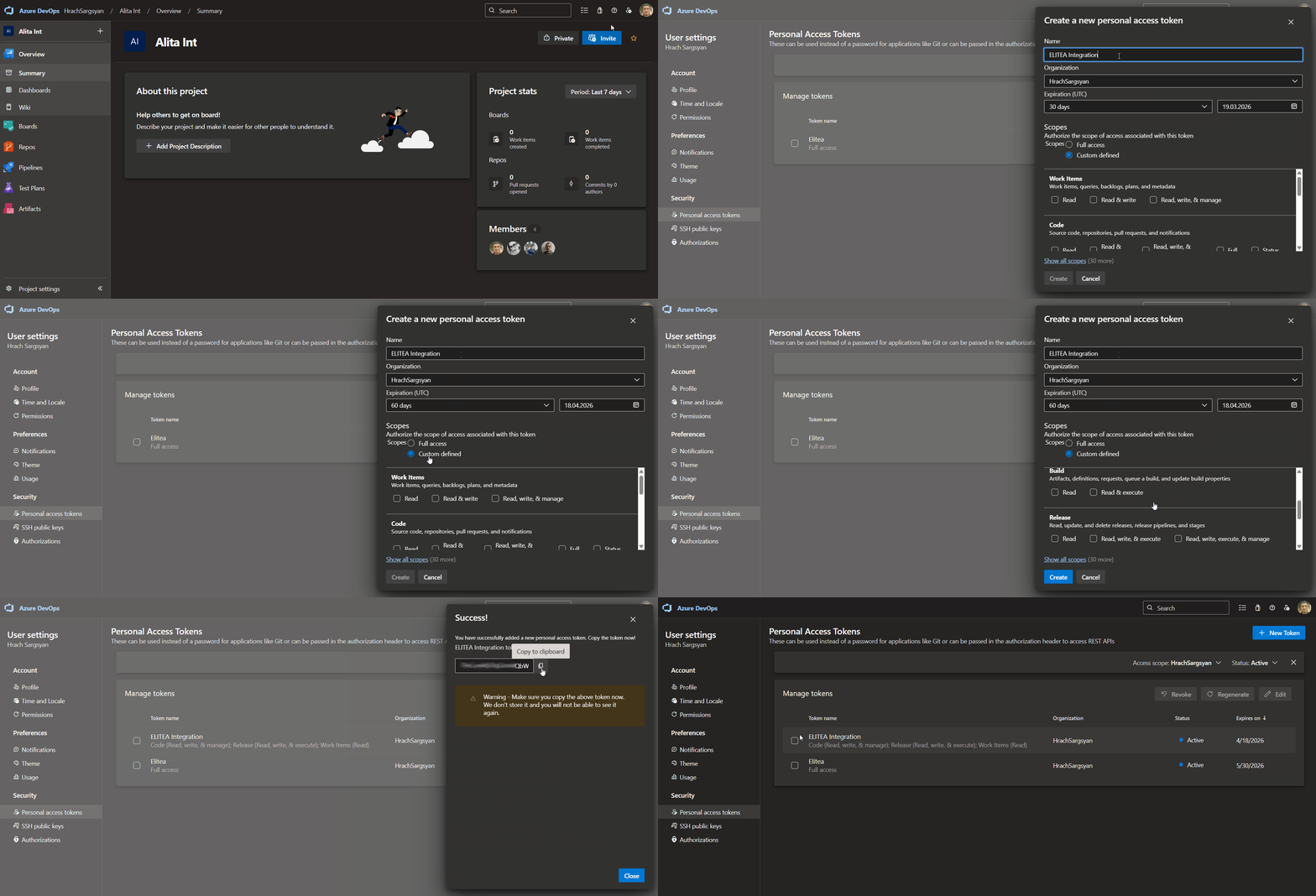
https://dev.azure.com/and log in. - Access User Settings: Click the User settings icon (top right) → select “Personal access tokens”.
- Generate New Token: Click ”+ New Token”.
-
Configure Token Details:
- Name: Enter a descriptive label (e.g., “ELITEA Test Plans Integration”)
- Organization: Select your organization
- Expiration: Set an expiration date
- Scopes: Select Custom defined, then enable:
- Test Management → Read (to read test plan data)
- Test Management → Read & write (to create or update test artifacts — only if needed)
- Create Token: Click “Create”.
-
Copy and Store Token: Copy the token immediately and store it securely in a password manager or ELITEA’s Secrets feature.
System Integration with ELITEA
To integrate Azure DevOps Test Plans with ELITEA, follow this three-step process: Create Credentials → Create Toolkit → Use in Agents.Step 1: Create Azure DevOps Credentials
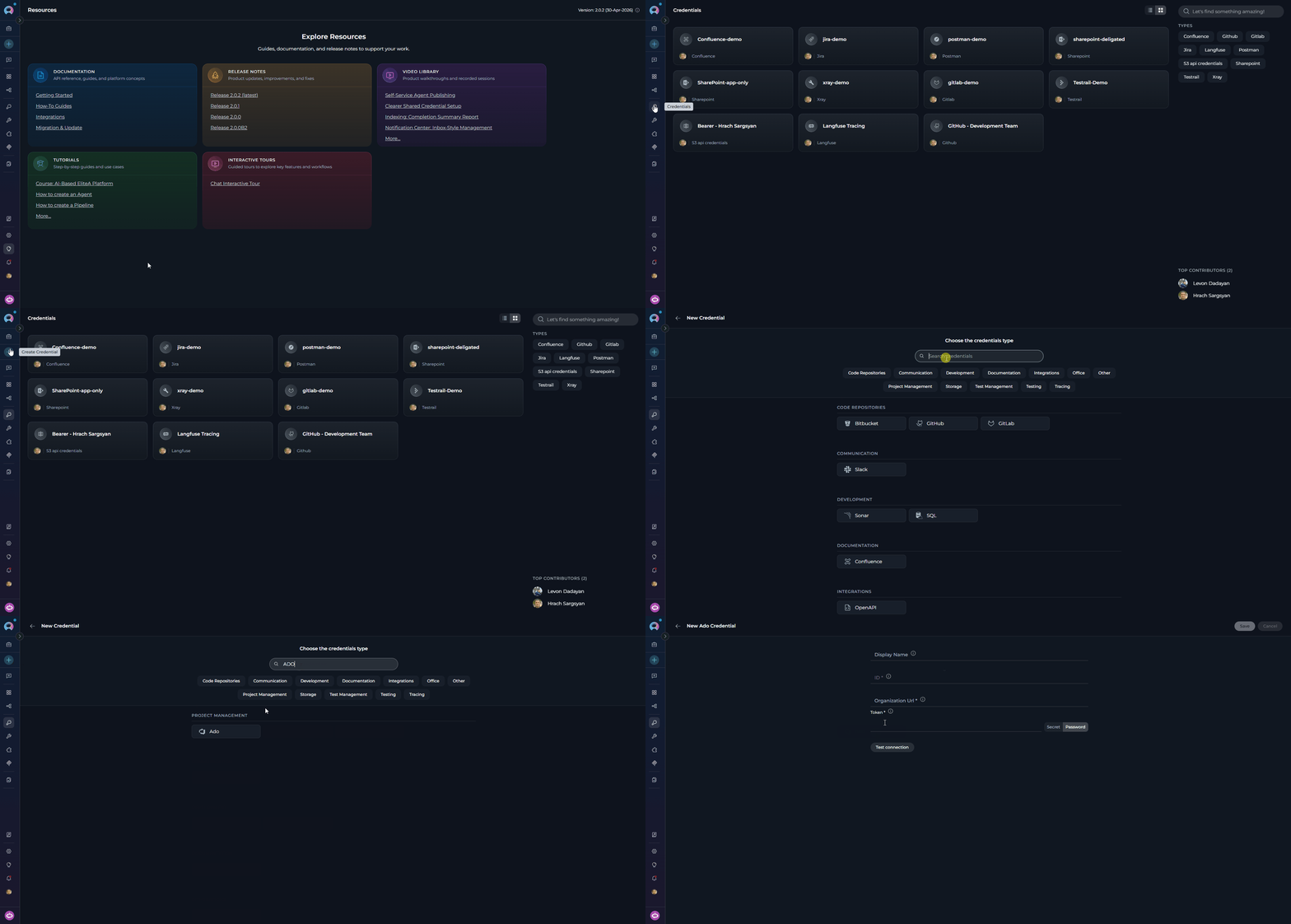
- Navigate to Credentials Menu: Open the sidebar and select Credentials.
-
Create New Credential: Click the
+ Createbutton. -
Select Azure DevOps: Choose Ado as the credential type.
-
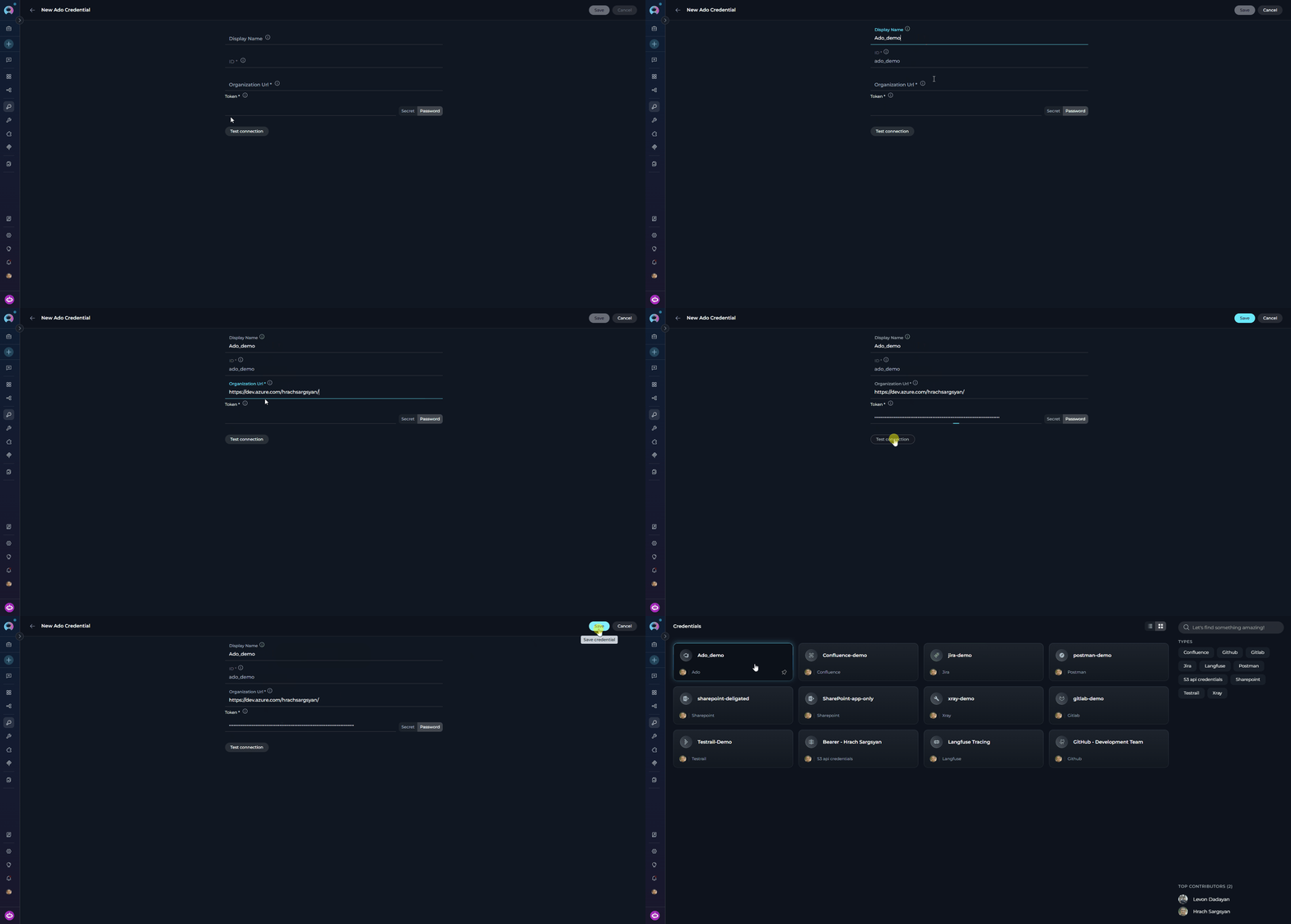
Configure Credential Details:
- Test Connection: Click Test Connection to verify credentials.
-
Save Credential: Click Save.
Step 2: Create the Azure DevOps Test Plans Toolkit
- Navigate to Toolkits Menu: Open the sidebar and select Toolkits.
-
Create New Toolkit: Click the
+ Createbutton. -
Select Azure Test Plans: Choose Azure Test Plans (ADO Test Plans) from the available toolkit types.
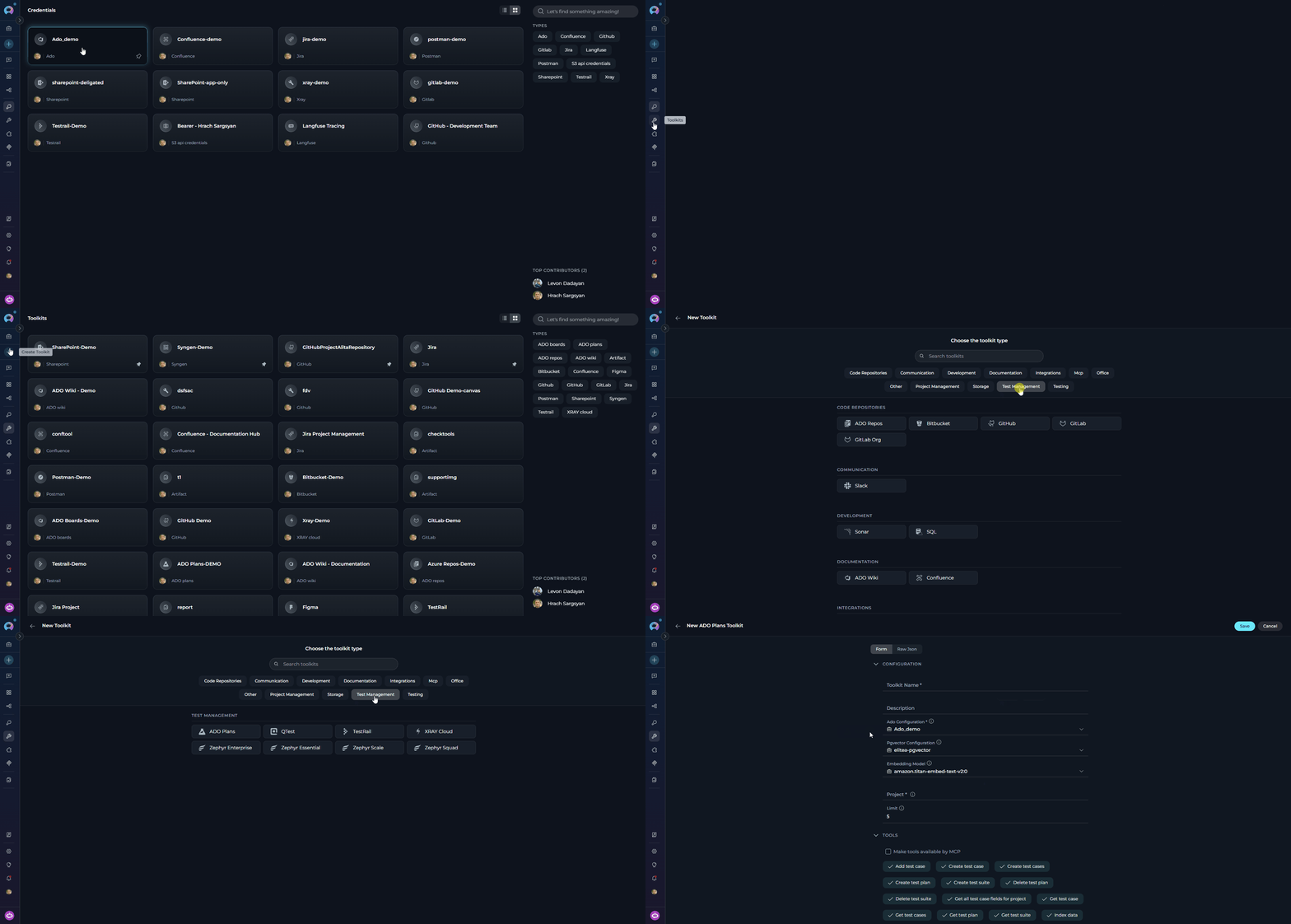
-
Configure Toolkit Settings:
-
Enable Desired Tools: Select the checkboxes next to the specific test plans tools you want to enable. Enable only the tools your agents will actually use.
- Make Tools Available by MCP — (optional) Make selected tools accessible through external MCP clients.
- Save Toolkit: Click Save.
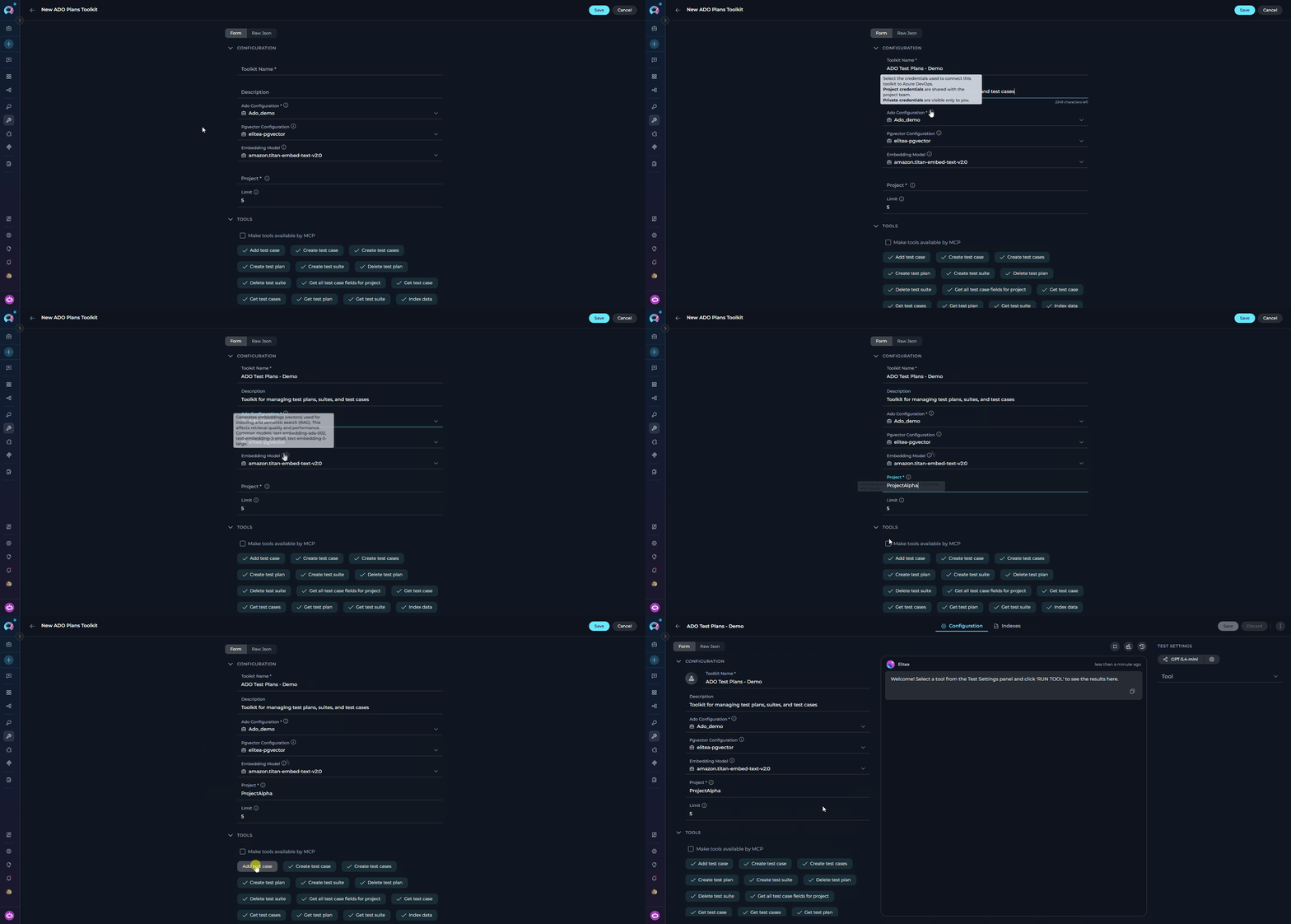
Available Test Plans Tools
Testing Toolkit Tools
After configuring the toolkit, test individual tools from the Toolkit detail page using the Test Settings panel:- Select LLM Model from the model dropdown
- Select a Tool from the available test plans tools
- Provide Input — enter required parameters or test queries
- Run the Test and review the response
Step 3: Add the Test Plans Toolkit to Your Workflows
In Agents
- Navigate to Agents: Open the sidebar and select Agents.
- Create or Edit Agent: Create a new agent or select an existing one.
- Add the Toolkit: In the TOOLKITS section, click “+Toolkit” and select your ADO Test Plans toolkit.
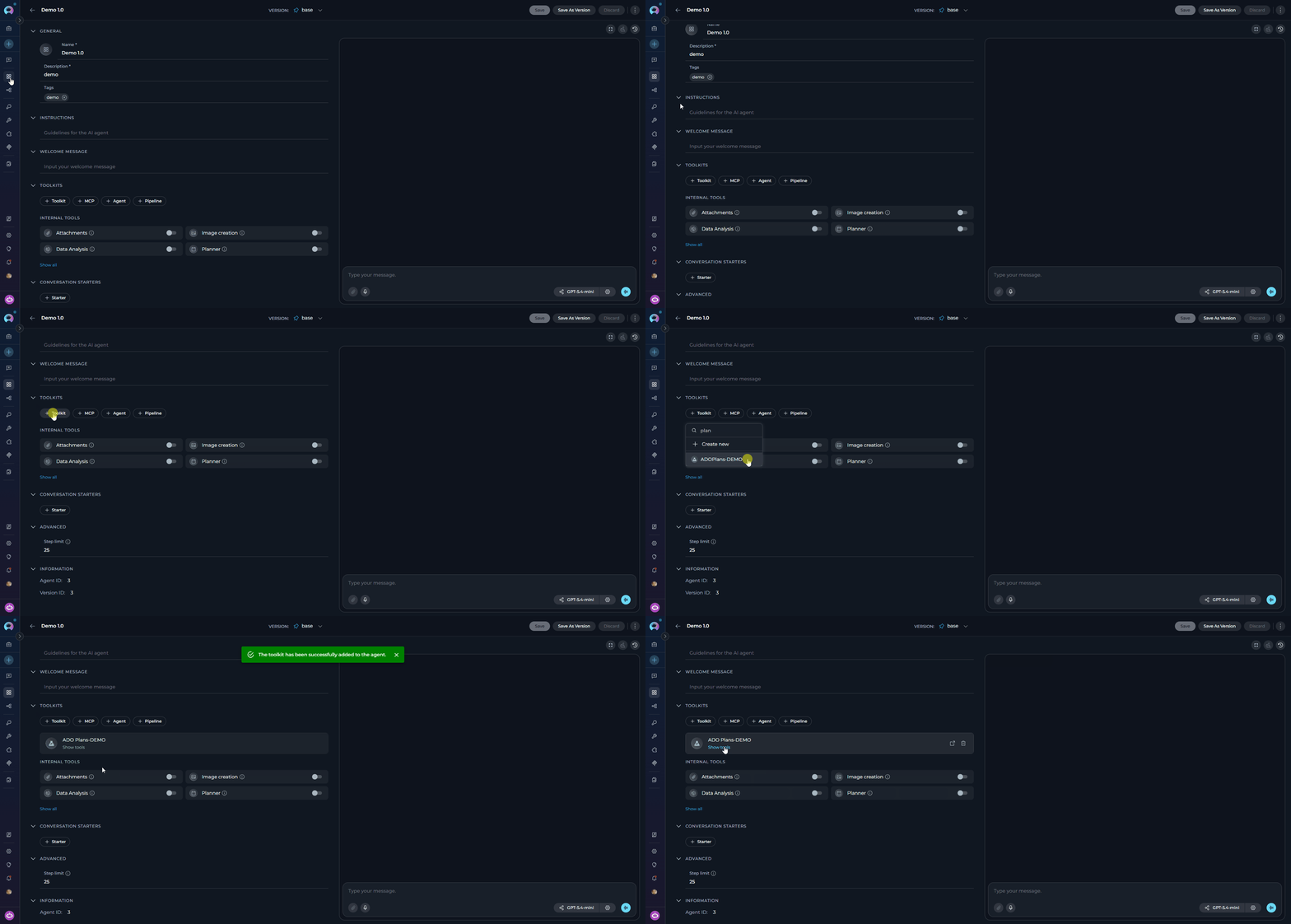
In Pipelines
- Navigate to Pipelines: Open the sidebar and select Pipelines.
- Create or Edit Pipeline: Create a new pipeline or select an existing one.
- Add the Toolkit: In the TOOLKITS section, click “+Toolkit” and select your ADO Test Plans toolkit.
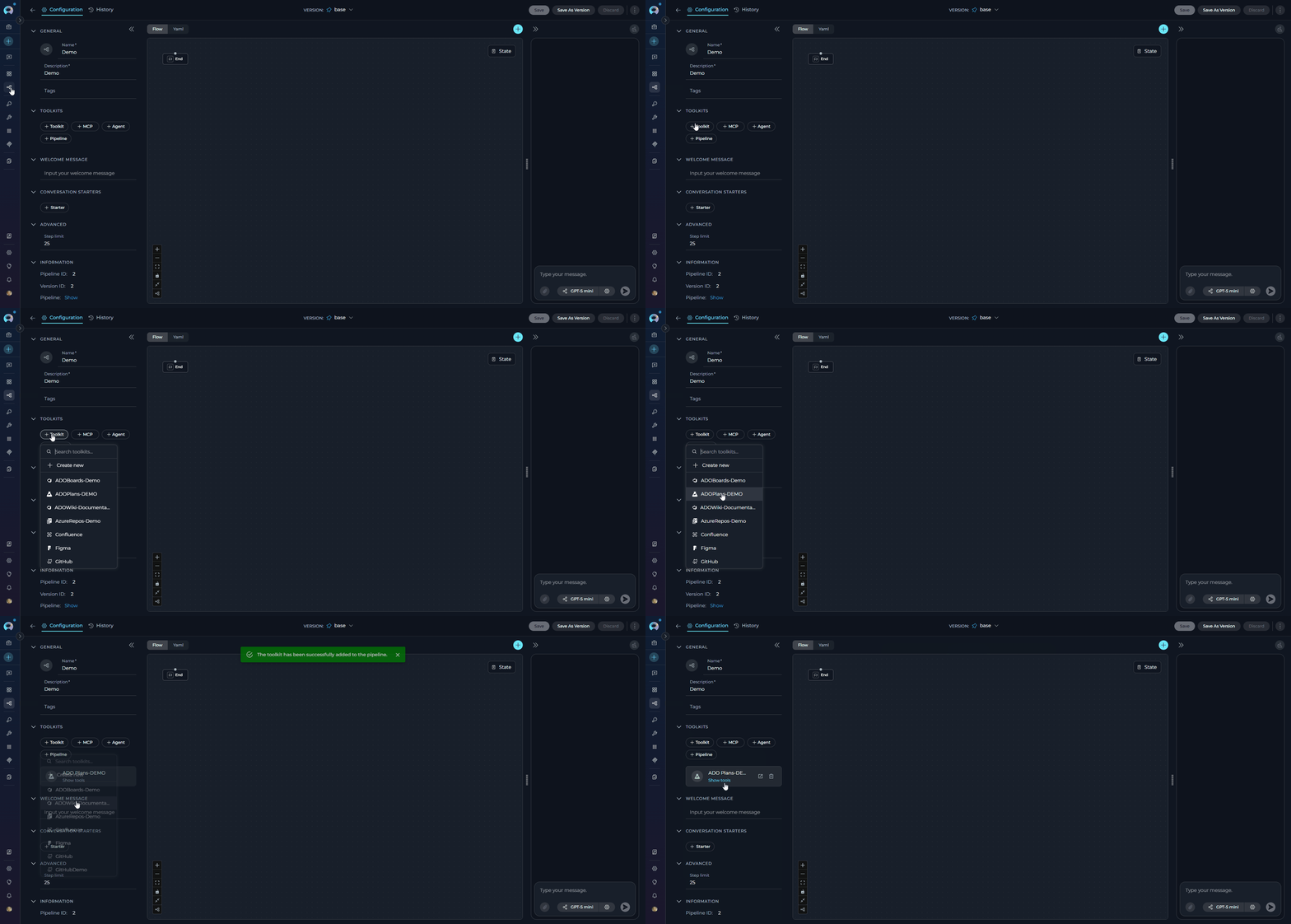
In Chat
- Navigate to Chat: Open the sidebar and select Chat.
- Start New Conversation: Click +Create or open an existing conversation.
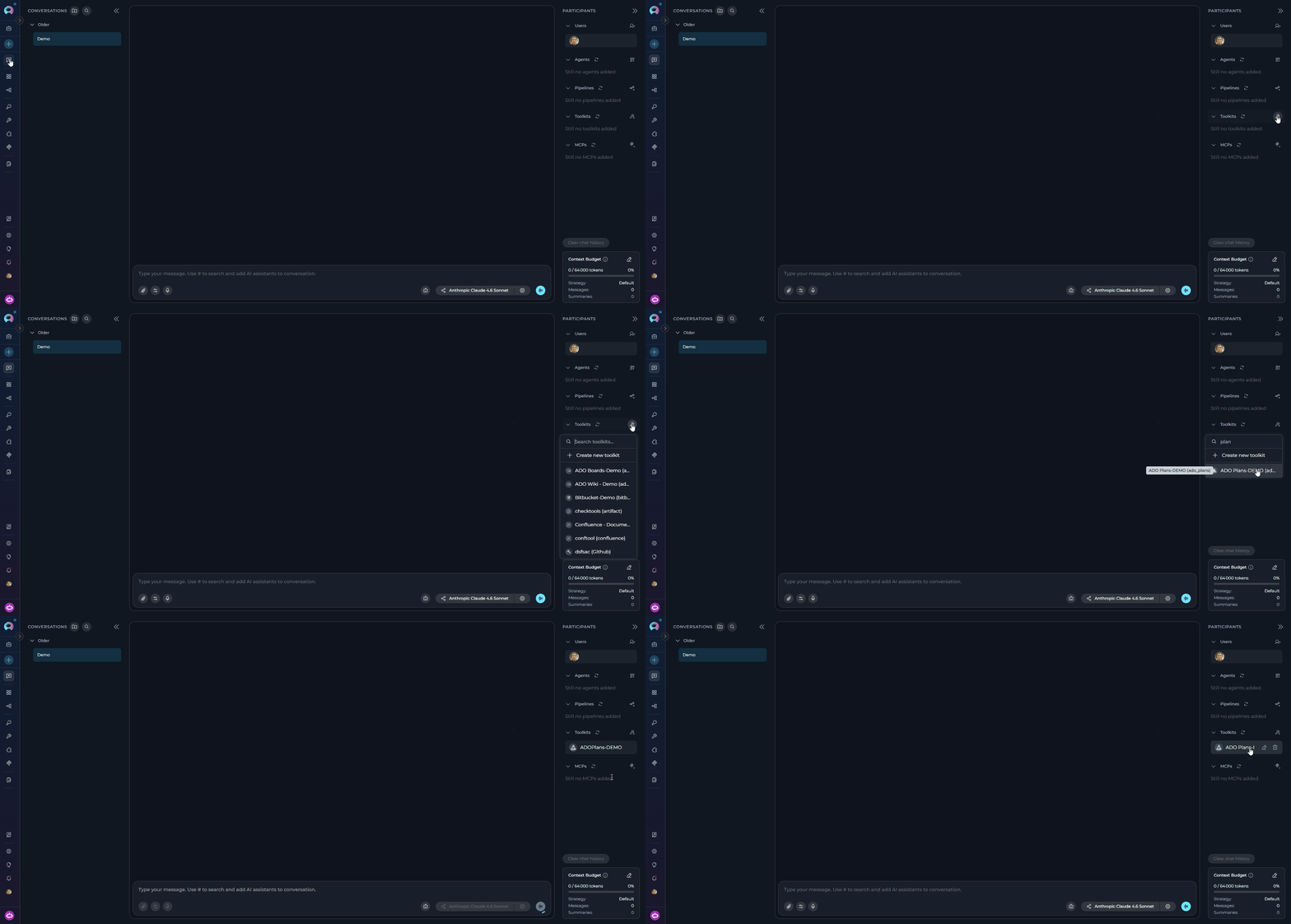
- Add the Toolkit: In the Participants section, click to add a toolkit and select your ADO Test Plans toolkit.
- “Show me all test plans for the current project.”
- “Create a new test plan for the 2.6.0 release.”
- “List all test cases in the Login Feature test suite.”
Instructions and Prompts for Using the ADO Test Plans Toolkit
When crafting instructions for agents using the ADO Test Plans toolkit, clarity and precision are essential. Break down tasks into simple, actionable steps and explicitly define all parameters. Effective instructions are:- Direct and Action-Oriented: Use strong action verbs (e.g., “Use the ‘get_test_plans’ tool…”, “Create a test plan using ‘create_test_plan’…”)
- Parameter-Centric: Specify each required parameter and how the agent should obtain its value
- Step-by-Step Structured: Use numbered steps for complex workflows
Chat Usage Examples
Create a Test Plan
Create a Test Plan
Get Test Cases
Get Test Cases
Best Practices
Test Integration Thoroughly
Test Integration Thoroughly
Monitor Agent Performance
Monitor Agent Performance
Follow Security Best Practices
Follow Security Best Practices
- Use Personal Access Tokens instead of your main account password
- Grant only the minimum necessary scopes (Test Management: Read, Read & write only if needed)
- Store PATs using ELITEA’s Secrets Management feature
Provide Clear Instructions
Provide Clear Instructions
Start with Simple Use Cases
Start with Simple Use Cases
Automated Test Plan Creation for New Releases
Automated Test Plan Creation for New Releases
- Scenario: At the start of each release cycle, an agent automatically creates a new test plan with defined start and end dates based on sprint information.
- Tools Used:
create_test_plan - Example Instruction: “Use ‘create_test_plan’ to create a new test plan named ‘Release [version] Test Plan’ with the start and end dates derived from the sprint schedule.”
- Benefit: Ensures consistent, timely test plan creation at the beginning of every release cycle.
Dynamic Test Suite Creation from Feature Lists
Dynamic Test Suite Creation from Feature Lists
- Scenario: Agents generate test suites from a list of user stories or feature areas identified during sprint planning.
- Tools Used:
create_test_suite - Example Instruction: “For each feature area in the provided list, use ‘create_test_suite’ to create a corresponding suite within the current test plan.”
- Benefit: Automates test organization structure and ensures every feature has a dedicated test suite.
Automated Test Case Updates Based on Requirement Changes
Automated Test Case Updates Based on Requirement Changes
- Scenario: When a requirement changes, agents automatically update the description or priority of linked test cases.
- Tools Used:
get_test_cases,update_work_item(from ADO Boards toolkit for test case work items) - Example Instruction: “Use ‘get_test_cases’ to list test cases in the affected suite, then update the Description and Priority fields of test cases linked to the changed requirement.”
- Benefit: Keeps test cases synchronized with evolving requirements without manual maintenance.
Reporting on Test Plan Status
Reporting on Test Plan Status
- Scenario: Automatically generate a summary of test plan progress, showing test case counts by status, for stakeholder reporting.
- Tools Used:
get_test_plans,get_test_suites,get_test_cases - Example Instruction: “Use ‘get_test_plans’ to find the active release test plan, then ‘get_test_suites’ to list all suites, then ‘get_test_cases’ for each suite. Aggregate the results to produce a status table showing total/passed/failed/not-run counts.”
- Benefit: Provides instant visibility into test execution status without manual report generation.
Troubleshooting
Connection Issues
Connection Issues
- Verify the organization URL is correct (e.g.,
https://dev.azure.com/YourOrganizationName) - Check that your PAT is accurate and not expired
- Regenerate the PAT if needed and update your ELITEA credential
- Verify network connectivity and firewall settings
Incorrect Organization or Project Names
Incorrect Organization or Project Names
- Verify the organization name matches your Azure DevOps URL exactly
- Confirm the project name is correct (case-sensitive)
- Ensure the URL format is:
https://dev.azure.com/YourOrganizationName
Test Plan Access Issues
Test Plan Access Issues
- Verify the user account has Basic + Test Plans access level in Azure DevOps
- Confirm the PAT has the
vso.test_writescope for write operations - Ensure Test Plans is enabled for the project (Project Settings → Services)
- Check that the plan and suite IDs provided are correct and belong to the configured project
Indexing and Search Tool Errors
Indexing and Search Tool Errors
- Verify PgVector is properly configured in toolkit settings
- Confirm an embedding model is selected
- Ensure the index was created successfully before searching
- Verify there is data available to index
Test Case Creation Fails with Validation Error (TF401320)
Test Case Creation Fails with Validation Error (TF401320)
create_test_case or create_test_cases returns an error containing TF401320 or a field validation message.Cause: Your Azure DevOps project requires one or more custom fields (e.g., Custom.SDLC, Custom.Component) that are not part of the standard test case fields (System.Title, System.Description, Microsoft.VSTS.TCM.Steps).Resolution:- Use the Get all test case fields for project tool to list every field available for the Test Case work item type, including which are required
- If the field list looks outdated (e.g., a field was recently added), use
force_refresh=Trueto reload definitions from Azure DevOps - Pass the missing required fields using the
additional_fieldsparameter:
System.Title, System.Description, and Microsoft.VSTS.TCM.Steps are always included automatically. You cannot override them via additional_fields.Support Contact
FAQ
Can I use my regular Azure DevOps password instead of a Personal Access Token?
Can I use my regular Azure DevOps password instead of a Personal Access Token?
What scopes should I grant to the PAT for Test Plans?
What scopes should I grant to the PAT for Test Plans?
What is the correct format for the Azure DevOps Organization URL?
What is the correct format for the Azure DevOps Organization URL?
https://dev.azure.com/YourOrganizationName — replace YourOrganizationName with your actual organization name. Do not include the project name in the URL.Can I use the same credential for multiple ADO toolkits?
Can I use the same credential for multiple ADO toolkits?
How do I find my Azure DevOps organization and project names?
How do I find my Azure DevOps organization and project names?
https://dev.azure.com/YourOrgName). Project names are listed in the Azure DevOps interface under your organization.Why am I getting 'Permission Denied' errors even with a valid token?
Why am I getting 'Permission Denied' errors even with a valid token?
vso.test_write scope for write operations. Also ensure your Azure DevOps account has the Basic + Test Plans access level — standard Basic access does not include test management permissions.Do I need PgVector configuration for all test plans tools?
Do I need PgVector configuration for all test plans tools?
Can I use multiple ADO toolkits in the same agent?
Can I use multiple ADO toolkits in the same agent?
How do I update my PAT when it expires?
How do I update my PAT when it expires?
- Generate a new PAT in Azure DevOps
- Navigate to Credentials in ELITEA
- Edit your Azure DevOps credential and update the Token field
- Save the credential — all toolkits using it will automatically use the new token
What is the correct format for creating a test plan or test suite?
What is the correct format for creating a test plan or test suite?
create_test_plan and create_test_suite expect a JSON string for their parameters.Test plan example:plan_id separately):What formats are supported for test steps in create_test_case?
What formats are supported for test steps in create_test_case?
test_steps_format parameter.JSON format (default):How do I find what custom fields are required for test cases in my project?
How do I find what custom fields are required for test cases in my project?
force_refresh=True to reload definitions directly from Azure DevOps.Once you know the required field reference names, pass them to create_test_case or create_test_cases via the additional_fields parameter:Can I index only specific test suites instead of an entire test plan?
Can I index only specific test suites instead of an entire test plan?
suite_ids parameter. Provide a list of suite IDs to limit indexing to those suites:suite_ids is left empty, all test suites within the specified plan_id are indexed.- Agent Menu — Complete reference for agent management
- Create and Edit Agents from Canvas — Quickly create agents from chat canvas
- Indexing Overview — Understanding ELITEA’s indexing capabilities
- Azure Repos (ADO Repos) Toolkit Integration Guide — Integrate Azure Repos for version control
- ADO Boards Toolkit Integration Guide — Manage work items and track tasks
- Azure DevOps Documentation — Official Microsoft documentation
- Azure Test Plans Documentation — Creating and managing test plans, suites, and test cases
- Personal Access Tokens Guide — Best practices for PAT management